
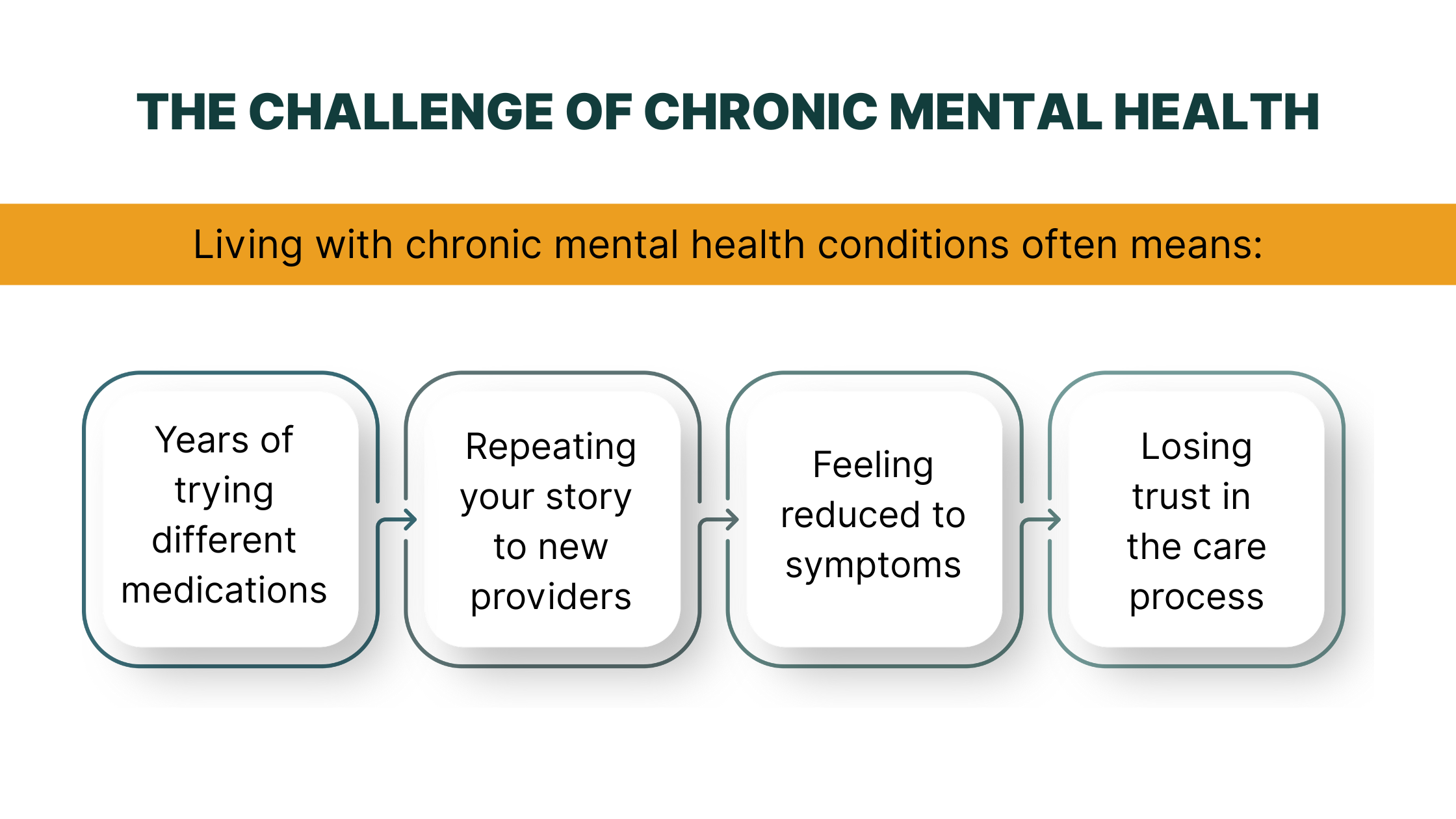
Living with a chronic mental health condition is rarely simple. For many patients, it means years of trying different medications, repeating their story to new providers, and feeling like care stops at symptom control. Over time, this can erode trust and leave people wondering if anyone is truly looking at the full picture.
In New York, patients dealing with long-term mental health challenges often seek out clinicians who move beyond surface-level care. This is where Dr. Barbara Fontane’s work stands out. Her approach reflects a clear understanding that chronic illness requires time, depth, and a steady therapeutic relationship.
Why Short Appointments Often Fall Short for Chronic Illness
For acute concerns, a brief visit may be enough. Chronic mental health conditions are different. They develop over years and are shaped by biology, life experiences, relationships, and stress patterns. A standard 15-minute appointment often leaves little room to understand these layers.
Patients trust Dr. Fontane because her evaluation process is not rushed. She spends time listening to a patient’s full history, not just current symptoms. This includes past treatments, family background, emotional patterns, medical history, and how symptoms have changed over time.
This careful approach helps uncover patterns that are easy to miss in shorter visits. It also reassures patients that their experience matters. For people who have felt dismissed or misunderstood in the past, this kind of attention is often the first step toward healing.
A Thoughtful and Patient Centered Care Model
Patient centered care is more than a phrase. It means adapting treatment to the individual rather than forcing a one-size-fits-all plan. Dr. Fontane’s work reflects this philosophy at every stage.
Instead of focusing only on diagnosis labels, she considers how a condition shows up in daily life. How does it affect relationships, work, sleep, or self-esteem? What coping strategies has the patient developed, and which ones no longer serve them?
This perspective allows for personalized medical care that respects the patient’s pace and goals. Treatment plans are adjusted thoughtfully, with ongoing dialogue rather than rigid protocols. Patients often describe feeling like collaborators in their care rather than passive recipients.
Combining Medication and Psychoanalytic Insight
One reason patients seek out Dr. Fontane is her dual approach. Chronic mental health conditions often have both biological and emotional components. Addressing only one side can leave treatment incomplete.
Medication management plays an important role, especially when symptoms are severe or long-standing. Dr. Fontane brings careful attention to how medications interact with the body over time, especially in people with chronic health conditions who may have tried multiple prescriptions in the past.
At the same time, her psychoanalytic training allows her to explore deeper emotional patterns. Long-term stress, unresolved trauma, and internal conflicts can all influence how chronic illness unfolds. By exploring these elements, treatment moves beyond symptom suppression and toward understanding.
This integrative approach to chronic health resonates with patients who want care that reflects their full experience. It also helps explain why patients choose integrative medicine models when standard care has not been enough.
Treating Chronic Conditions Beyond Symptoms
A common frustration among patients is feeling like treatment only reacts to flare-ups. While symptom relief is important, chronic illness often requires a broader view.
Dr. Fontane’s work focuses on treating chronic conditions beyond symptoms. This includes understanding what triggers worsening episodes, how emotional stress affects physical responses, and how long-term patterns influence recovery.
By looking at root causes, care becomes more proactive. Patients gain insight into how their mental health connects to their life story, relationships, and sense of self. This is especially valuable for those who have lived with symptoms for many years and want lasting change, not temporary relief.
Experience Across the Continuum of Care
Another reason for patient trust is Dr. Fontane’s extensive experience. With over 20 years of work in both hospital and private practice settings, she has seen a wide range of mental health presentations.
Hospital work provides exposure to acute and complex cases, while private practice allows for long-term therapeutic relationships. This continuum of care equips her to handle difficult-to-treat cases that require patience and clinical judgment.
Patients with chronic health care needs often require flexibility. Symptoms may evolve, life circumstances may change, and treatment plans need adjustment over time. Dr. Fontane’s background allows her to respond to these shifts with confidence and care.
Integrative Care for Chronic Health Issues
Many patients today ask thoughtful questions about their care:
- Why patients choose integrative medicine approaches
- What an integrative approach to chronic health really looks like
- How integrative care for chronic health issues differs from standard treatment
- Whether chronic health care that looks at root causes can lead to better outcomes
Dr. Fontane’s practice speaks to these concerns. Her work reflects an understanding that chronic illness does not exist in isolation. Mind, body, and emotional life are interconnected, and treatment is most effective when these connections are acknowledged.
Building Trust Through Consistency and Respect
Trust develops over time. For patients with chronic mental health concerns, it grows when they feel heard, respected, and supported consistently. Dr. Fontane’s approach creates space for this trust by honoring the complexity of each patient’s journey.
Rather than offering quick fixes, she provides steady care grounded in experience, clinical depth, and genuine attention. For many patients in New York, this makes a meaningful difference in how they experience treatment and recovery.
Conclusion
Chronic mental health conditions require more than brief visits and symptom checklists. They call for time, insight, and a commitment to understanding the whole person. Through thorough evaluations, a balanced clinical approach, and decades of experience, Dr. Barbara Fontane offers care that many patients find both reassuring and effective.