
There is something about spring that invites a reset. You start reorganizing closets, opening windows, and your space feels lighter. But what about your mind?
Emotional clutter does not sit neatly in corners. It shows up in patterns and reactions that feel too big for the moment. In anxiety that lingers without a clear reason. That’s where your “emotional spring cleaning” begins, not by pushing thoughts away, but by understanding their source.
Most people are familiar with therapy. Fewer understand what psychoanalysis offers. And even fewer know how the two differ in depth, pace, and purpose. Let us start with the basics.
What Is Psychotherapy?
At its core, psychotherapy is a structured process where individuals talk through thoughts, emotions, and behaviors with a trained professional. It is often focused on present challenges. It helps people build coping tools, improve emotional regulation, and manage symptoms.
If someone is dealing with anxiety, stress, or relationship issues, psychotherapy for anxiety can provide immediate support. It offers clarity, direction, and practical ways to respond differently.
It is effective & supportive. And for many, it is enough. But sometimes, you may still feel something is unresolved.
What Is Psychoanalysis?
This is where a deeper layer of work begins: Psychoanalysis. It is a form of deep psychological therapy that explores the unconscious mind. Instead of focusing only on current symptoms, it looks at long-standing emotional patterns, early experiences, and internal conflicts that shape behavior.
Psychoanalysis explores the architecture of your emotional world. It helps answer questions like:
- Why do the same patterns keep repeating?
- Why do certain situations trigger disproportionate reactions?
- What is the root cause of anxiety, rather than just its expression?
This approach takes time and requires openness. But it offers something psychotherapy alone may not always reach.
Psychoanalysis vs Psychotherapy
The conversation around psychoanalysis vs psychotherapy is not about which one is better. It is about what each one is designed to do.
Psychotherapy often works at the level of awareness. It helps you recognize patterns and adjust them. Psychoanalysis goes a step further. It explores why those patterns exist in the first place.
The difference between psychoanalysis and psychotherapy lies in depth, frequency, and intention. Psychotherapy is usually once a week and goal-oriented. Psychoanalysis may happen multiple times a week and focuses on long-term exploration.
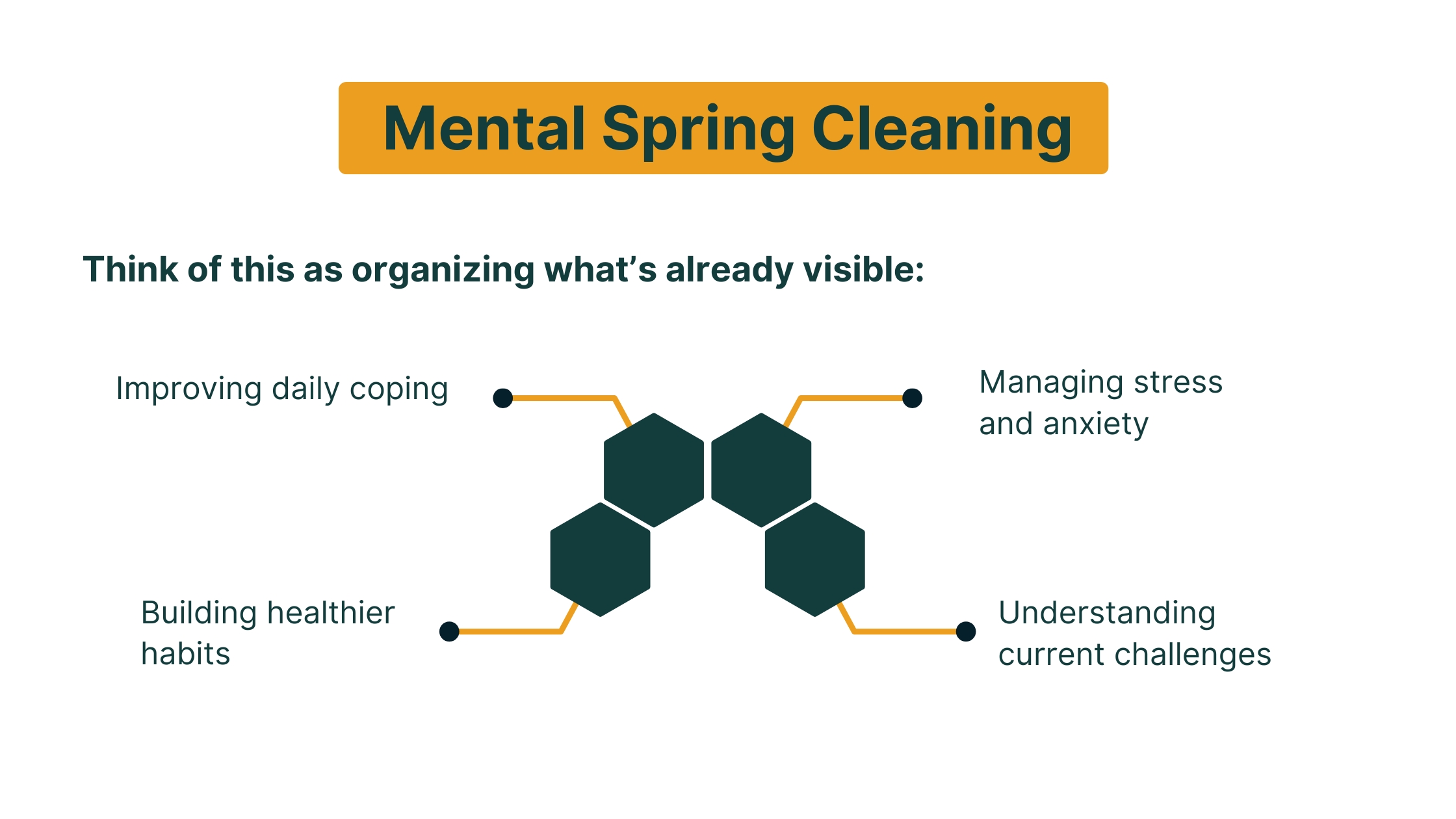
If you think, What is Psychoanalysis Therapy? Think of psychotherapy as organizing your mental space. Psychoanalysis is understanding how everything got there.
What Psychotherapy Might Miss
This is not a limitation but a difference in scope. In many cases, therapy helps people function better by reducing stress. It improves relationships. But certain patterns persist beneath the surface.
For example, someone may understand that they struggle with trust. They may even develop tools to manage it. Yet, they still feel the same emotional pull in close relationships.
This is where concepts like transference and resistance come into play. Transference refers to the way past relationships influence current ones, including the therapeutic relationship itself. Resistance shows up as avoidance, hesitation, or emotional blocks when approaching difficult topics. Psychoanalysis pays close attention to these patterns. It uses them as a pathway to deeper understanding.
Insight-Driven Therapy and Lasting Change
One of the key benefits of psychoanalysis is its focus on Insight-Driven Therapy. The idea is simple – when you truly understand why you feel and act a certain way, change becomes more natural.
You are not forced into new behaviors. It is a shift in your internal narrative that supports long-term mental health growth. Instead of managing symptoms alone, individuals begin to experience a different relationship with themselves. Reactions soften. Patterns lose their grip. There is more space between feeling and response.
When Psychoanalysis May Be the Right Approach
Not everyone needs psychoanalysis. And not everyone is ready for it. But it can be especially helpful when:
- Patterns repeat despite ongoing therapy
• Emotional responses feel intense or confusing
• There is a desire to understand oneself beyond surface-level explanations
• Past experiences continue to influence present life in unclear ways
Individuals who are simply interested in deeper self-awareness can benefit from this. Not because something is “wrong,” but because they want to understand themselves more fully.
How Psychiatrists Use Both Approaches
Psychotherapy and psychoanalysis can complement each other, since they are not separate paths. A psychiatrist may begin with psychotherapy to stabilize symptoms and build trust. Over time, if deeper patterns emerge, the work may shift toward psychoanalytic exploration.
Medication can also be part of the process when needed. It helps create emotional stability, making it easier to engage in therapy. This integrated approach allows care to be flexible and personalized.
Spring Cleaning That Goes Deeper
Spring cleaning goes beyond what you see. It is also about what you have been carrying without realizing it. Sometimes, you have to organize your thoughts, but sometimes you may need to ask where those thoughts began.
Both psychotherapy and psychoanalysis have their place. One offers support and direction. The other offers depth and understanding. And for many people, real change happens when both are considered.
Because clearing space in your mind is not just about feeling better today. It is about understanding yourself in a way that changes how you experience tomorrow. Dr. Barbara Fontane Harrison NY works on this philosophy. With over two decades of experience, her practice focuses on more than symptom relief. She understands the person behind the symptoms to offer psychotherapy, psychoanalysis, and medication management, depending on what each individual needs. Her training in psychoanalysis allows her to work at a deeper level when patients are ready for that kind of exploration.
Whether someone is seeking therapy for anxiety disorders, support for mood conditions, or a deeper understanding of their emotional patterns, the approach remains thoughtful and tailored.