Some emotional changes are expected during major life transitions. Others signal something deeper that deserves care.
Two of the most significant emotional turning points in a woman’s life are the period after childbirth and the transition into menopause. While they occur at very different stages, both postpartum depression and menopausal mood shifts are often rooted in the same underlying driver: hormonal change.
Fluctuations in estrogen and progesterone influence the brain’s mood-regulating systems, including serotonin. When these shifts occur rapidly, emotional stability can be affected in powerful ways. Understanding these changes helps separate what is temporary from what may require support.
The Hormonal Connection
Both postpartum depression and menopausal mood shifts are strongly linked to hormonal transitions. After childbirth, estrogen and progesterone levels drop dramatically within days. During perimenopause, these hormones decline gradually but unpredictably. In both cases, the brain’s chemistry responds to these changes, which may result in:
- Irritability
- Sadness
- Anxiety
- Sleep disruption
- Feelings of hopelessness
In many individuals, the issue is not simply hormone levels themselves but sensitivity to hormonal change. Sleep disruption also plays a role. Caring for a newborn or experiencing night sweats and hot flashes can intensify emotional instability. These are biological responses, not personality flaws.
Postpartum Depression: More Than Baby Blues
Many new mothers experience emotional ups and downs in the days following childbirth. This is where understanding Baby blues vs. postpartum depression becomes essential.
Baby Blues Typically Include:
- Mood swings
- Crying spells
- Anxiety
- Trouble sleeping
- Feeling overwhelmed
These symptoms usually begin within two to three days after delivery and resolve within two weeks. However, postpartum depression is different. Understanding Baby blues vs. postpartum depression symptoms reveals that postpartum depression is:
- More intense
- Longer lasting
- Disruptive to daily functioning
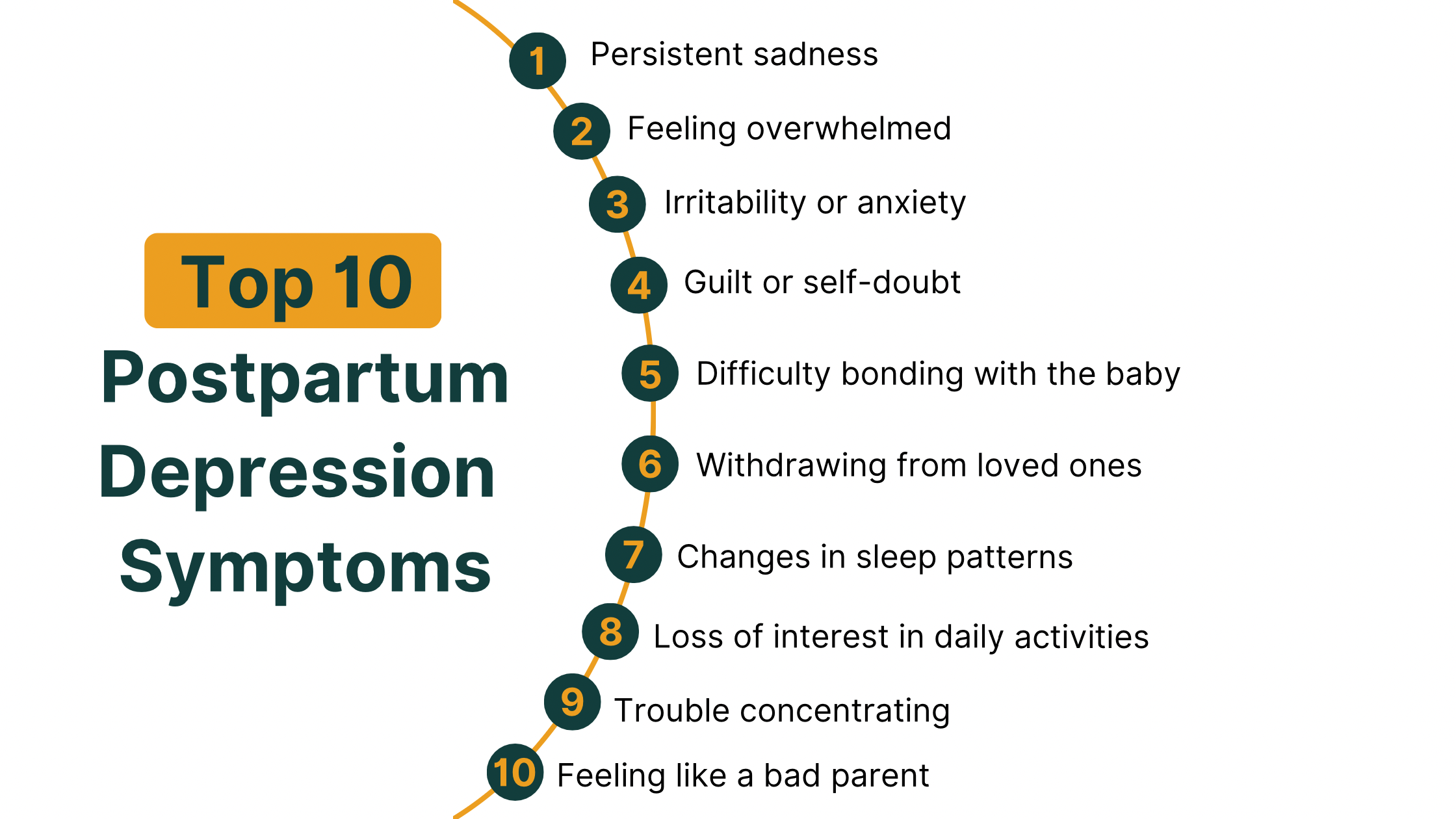
Postpartum Depression May Include:
- Persistent sadness
- Excessive crying
- Difficulty bonding with the baby
- Withdrawal from loved ones
- Insomnia or oversleeping
- Loss of appetite or overeating
- Intense irritability or anger
- Feelings of guilt or worthlessness
Some individuals describe it as feeling disconnected from joy or unsure of themselves as a parent. Postpartum depression can begin during pregnancy or develop anytime within the first year after birth. Rarely, a more severe condition known as postpartum psychosis may occur and requires immediate medical attention.
What Triggers Postpartum Depression?
Postpartum depression is often linked to:
- Rapid hormonal changes
- Sleep deprivation
- Emotional adjustment to parenthood
- Stress and support challenges
Seeking help with postpartum depression early improves recovery and emotional connection with the baby. Many individuals explore:
- What can help with postpartum depression
- What helps with postpartum depression
Effective support may include:
- postpartum depression counseling
- counseling for postpartum depression
- postpartum depression therapy
Working with postpartum depression specialists or a postpartum depression psychiatrist can provide structured evaluation and care. A Perinatal mental health specialist can also support individuals navigating pregnancy-related mood changes.
Searching for a postpartum depression specialist near me is often the first step toward understanding what is happening. A qualified Postpartum depression specialist can guide treatment options including therapy, medication, or both.
Menopausal Mood Shifts
The transition into menopause also affects emotional well-being. So, can menopause cause mood swings and depression? Yes. During perimenopause, estrogen levels fluctuate and gradually decline. This affects serotonin pathways, which influence mood regulation.
Common emotional symptoms include:
- Irritability
- Anxiety
- Sudden sadness
- Reduced motivation
- Emotional sensitivity
Sleep disturbances from hot flashes further intensify these effects. Unlike postpartum depression, menopausal mood shifts develop gradually but can feel equally disruptive. Management may include:
- Lifestyle changes such as exercise and nutrition
- Psychotherapy
- Hormonal support
- Antidepressant medication
Professional evaluation helps determine the most appropriate approach.
Shared Challenges
Despite occurring at different life stages, postpartum depression and menopausal mood shifts share key similarities.
Common Factors Include:
- Hormonal sensitivity
- Sleep disruption
- Emotional stress
Both conditions can affect:
- Relationships
- Self-confidence
- Daily functioning
Neither is a sign of weakness. Early support helps prevent long-term impact. In some cases, underlying conditions such as attention challenges may surface during these transitions. Guidance from an ADHD psychiatrist can be helpful when focus or emotional regulation becomes more difficult.
The Importance of Professional Care
If symptoms:
- Persist beyond two weeks
- Interfere with caregiving or daily tasks
- Worsen over time
professional support is important.
Postpartum depression therapy, medication, and supportive care are effective in managing both postpartum depression and menopausal mood changes. Prompt care improves emotional stability and supports stronger relationships.
Moving Forward
Major life transitions bring physical and emotional change. Postpartum depression and menopausal mood shifts are not simply phases to endure. They are experiences that deserve understanding and care. With the right support from postpartum depression specialists, a postpartum depression psychiatrist, or a Perinatal mental health specialist, emotional balance can return. And healing often begins with recognizing that these feelings are valid and treatable.
At her Harrison, New York, practice, Dr. Barbara Fontane offers individualized psychiatric care for those experiencing postpartum depression and menopausal emotional changes.
With over 20 years of experience, her work combines:
- Psychotherapy
- Psychoanalysis
- Medication management when appropriate
Her approach looks beyond symptoms to understand emotional patterns and support lasting well-being. Whether through postpartum depression counseling, insight-oriented therapy, or structured psychiatric care, treatment is tailored to each individual.