
Gratitude has a unique way of influencing the mind. Beyond social niceties, being genuinely thankful has measurable effects on mental health and overall well-being. Scientists and psychologists have studied how gratitude interacts with the brain, revealing its capacity to improve mood, emotional resilience, and cognitive patterns. Exploring gratitude through the lens of neuroscience and psychology shows that the act of thankfulness is more than an emotional experience, it’s a tool for rewiring the mind.
Gratitude and the brain
Neuroscience has discovered that gratitude triggers activity in the prefrontal cortex, which governs decision-making, planning, and social interactions. Simultaneously, the limbic system, responsible for emotions, becomes engaged. This combination helps explain why practicing gratitude often results in improved emotional regulation and positive feelings.
Research on how gratitude changes your brain points to enhanced activity in the brain’s reward centers. When the brain recognizes gratitude as a rewarding experience, it encourages repeated acknowledgment of positive aspects of life. Over time, these neural adjustments support a more optimistic and resilient mindset, reinforcing the connection between thankfulness and mental health.
Psychological Benefits of Gratitude
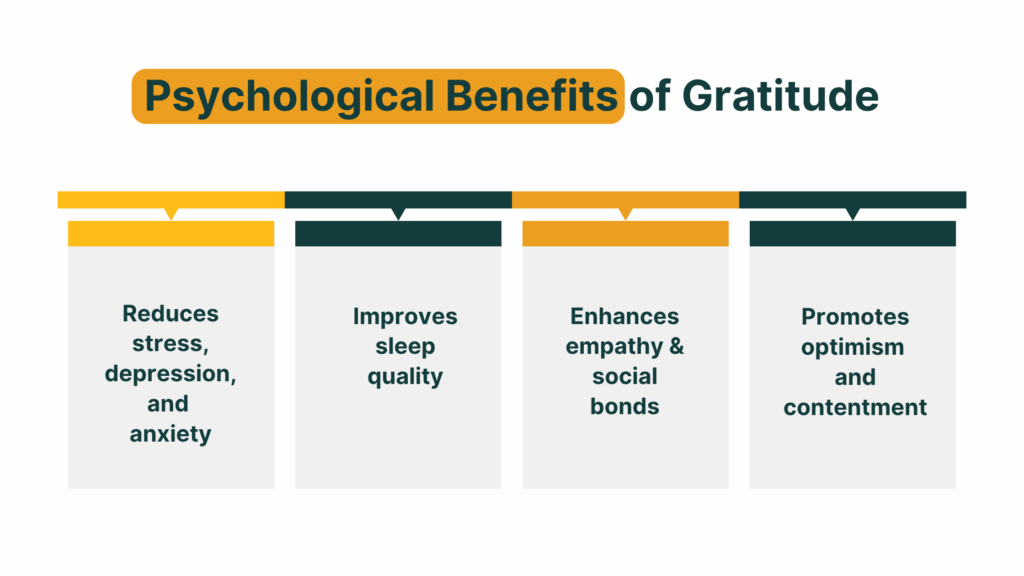
People who adopt a regular gratitude practice report fewer depressive symptoms, reduced stress, and better sleep quality. Gratitude encourages empathy, minimizes negative emotions such as envy and resentment, and strengthens social bonds. These psychological benefits of gratitude demonstrate its potential to improve mental health while fostering deeper interpersonal connections.
Positive psychology gratitude studies suggest that gratitude nurtures optimism and encourages reflection on meaningful experiences. By actively recognizing the good in life, individuals cultivate satisfaction and contentment that extend beyond fleeting moments. The interplay of gratitude and mental health highlights why therapists often integrate gratitude exercises into their practice.
Mindfulness and Gratitude
Mindfulness and gratitude complement each other in a powerful way. Awareness of the present moment allows individuals to observe experiences without judgment. When paired with gratitude, mindfulness magnifies appreciation for life’s details, from simple pleasures to major accomplishments. This combination reinforces mental clarity, emotional balance, and a sense of inner peace.
Practicing mindfulness and gratitude together trains the brain to focus on positive experiences rather than dwelling on stress or negative thought patterns. This dynamic is central to understanding the mental and neurological effects of gratitude, as it strengthens pathways associated with well-being and emotional resilience.
Everyday Practices to Cultivate Gratitude
Benefits of practicing gratitude daily are accessible through small, intentional actions. These practices help integrate thankfulness into daily routines, enhancing both psychological and neurological outcomes:
- Journaling Gratitude: Writing down three or more things to appreciate each day directs focus toward positive experiences, strengthening neural pathways linked to reward and satisfaction.
- Reflection Exercises: Spending a few minutes reflecting on people, experiences, or personal achievements that bring joy can deepen emotional awareness and support mental health.
- Expressing Thanks: Sharing appreciation with others improves social relationships, fostering a sense of connection that further enhances emotional well-being.
- Meditative Practices: Combining mindfulness techniques with gratitude reflection helps reinforce present-moment awareness while acknowledging meaningful aspects of life.
Consistency in these practices allows the brain to recognize and internalize patterns of positivity, making it easier to maintain gratitude as a habitual mindset.
Gratitude in Daily Life
Thankfulness and mental health intersect in many aspects of everyday life. Individuals who actively cultivate gratitude experience improved stress management and stronger emotional resilience. Recognizing positive experiences, even amidst challenges, enables more adaptive thinking and healthier coping mechanisms.
In professional environments, expressing gratitude encourages collaboration and team cohesion. Leaders who acknowledge contributions foster engagement, while employees who practice gratitude demonstrate higher job satisfaction and motivation. Similarly, students who embrace gratitude as part of their routines often show better focus, enhanced resilience, and improved emotional balance. Across personal and social spheres, the ripple effects of gratitude influence relationships, productivity, and overall mental well-being.
Positive Psychology and Gratitude
Positive psychology gratitude interventions focus on redirecting attention toward strengths, accomplishments, and positive life events. Such interventions have proven effective in therapeutic settings, helping individuals reduce stress, combat negative thought patterns, and reinforce optimism.
Gratitude acts as a bridge between emotional health and cognitive function. The practice supports psychological resilience while promoting neural patterns that favor emotional regulation, social connection, and personal growth. Integrating gratitude into daily life cultivates habits that support mental health in a sustainable, practical way.
Transformative Effects of Thankfulness
The benefits of gratitude extend beyond mood enhancement. By incorporating gratitude into routines, the mind gradually becomes more attuned to positivity, empathy, and connection. Over time, the brain’s reward system is conditioned to recognize and reinforce these patterns, creating long-term improvements in emotional regulation and mental well-being.
Studies on how gratitude changes your brain confirm that consistent practices enhance happiness, reduce stress, and support cognitive flexibility. Psychological benefits of gratitude include a greater sense of purpose, reduced anxiety, and improved overall life satisfaction. When individuals practice thankfulness daily, they develop a more balanced perspective, increased resilience, and stronger interpersonal relationships.
Final Thoughts
Gratitude offers a practical, scientifically supported pathway to improved mental health. From brain activity to psychological outcomes, the effects of thankfulness demonstrate that a simple habit can create profound changes in well-being. Mindfulness and gratitude together provide tools for emotional clarity, resilience, and contentment, while daily practices such as journaling, reflection, and expressions of thanks reinforce these benefits.
Whether for mental clarity, emotional resilience, or social connection, the benefits of practicing gratitude daily are clear. Engaging with gratitude reshapes the brain, nurtures the mind, and supports mental health, demonstrating that a thankful mindset is a powerful ally for personal growth and well-being.