Managing mental health is a multifaceted process that often combines therapy, lifestyle adjustments, and, in many cases, medication. For individuals navigating long-term mental health treatment, medication management plays a crucial role in achieving stability, preventing relapses, and enhancing overall well-being. Understanding the importance of medication management and how it integrates with other aspects of care can make a significant difference in treatment outcomes.
What Is Medication Management for Mental Health?
Medication management for mental health involves more than simply prescribing pills. It encompasses a structured approach to selecting, monitoring, and adjusting medications based on an individual’s unique needs. Mental health medication management ensures that medications are effective, safe, and aligned with a patient’s personalized treatment plan. This process often includes regular consultations with psychiatrists or other qualified healthcare providers, careful monitoring of side effects, and ongoing communication between patient and provider.
Safe medication management reduces the risk of adverse reactions, ensures proper dosing, and promotes adherence. Without proper management, even the most effective medications may fail to provide their intended benefits, making it harder for individuals to maintain stability and engage fully in other therapeutic interventions.
Personalized Treatment Plans
Long-term mental health treatment is rarely one-size-fits-all. Personalized treatment plans are essential because mental health conditions can vary widely in severity, duration, and response to medication. Mental health professionals consider multiple factors when developing these plans, including medical history, lifestyle, co-occurring conditions, and therapy goals.
Medication management and therapy work hand in hand in personalized treatment plans. While medications can help stabilize mood, reduce anxiety, or manage psychotic symptoms, therapy addresses underlying cognitive and emotional patterns. Coordinating both components ensures that treatment is holistic and tailored to the individual, which is vital for long-term success.
Continuity of Care in Mental Health
Continuity of care in mental health is a key principle in long-term treatment. Consistent monitoring and communication between healthcare providers and patients prevent gaps in care that could lead to relapse or worsening symptoms. Mental health medication management supports continuity of care by tracking changes in symptom patterns, assessing medication effectiveness, and adjusting prescriptions as needed.
Regular follow-ups also provide opportunities for education. Patients can learn about potential side effects, interactions, and lifestyle factors that affect medication efficacy. This knowledge empowers individuals to actively participate in their treatment, promoting adherence and reducing the risk of complications.
The Importance of Medication Management
The importance of medication management cannot be overstated. For many individuals, medications are a cornerstone of mental health treatment. Correct management ensures that medications produce the intended benefits while minimizing risks. It also helps identify issues such as drug interactions, tolerance, or side effects before they escalate.
Effective medication management supports long-term mental health treatment by maintaining stability. When patients are stable, they are better able to engage in therapy, build coping strategies, and participate in everyday activities. Conversely, poor medication management can lead to setbacks, hospitalization, or the need for more intensive interventions.
Safe Medication Management
Safe medication management involves several key practices. First, accurate prescribing based on evidence and clinical guidelines is essential. Second, ongoing monitoring of symptoms, side effects, and overall well-being ensures that any necessary adjustments are made promptly. Third, patient education fosters understanding and adherence, which are critical for long-term success.
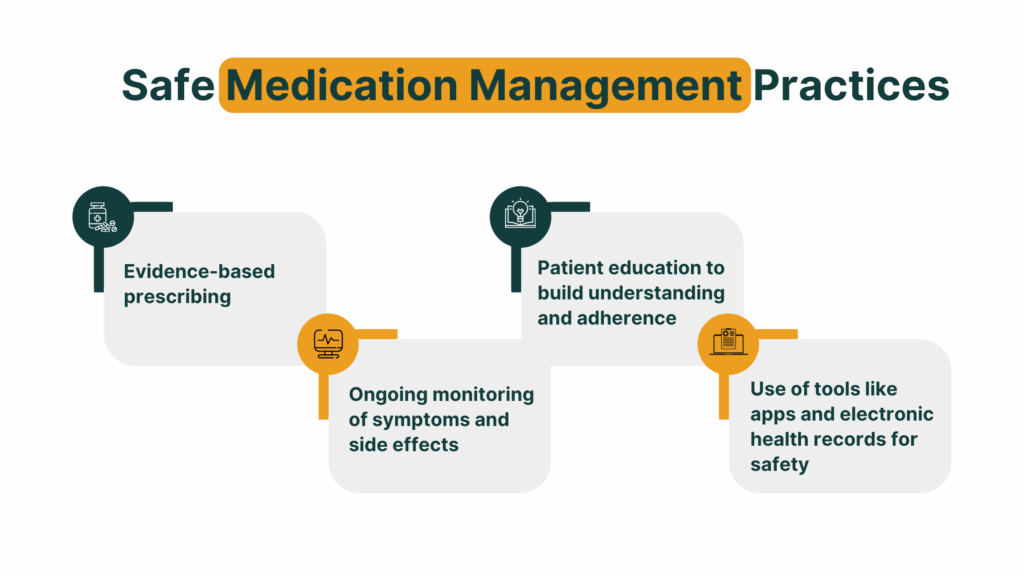
Technological tools, such as electronic health records and medication tracking apps, can enhance safety by providing reminders, tracking adherence, and facilitating communication between providers. Safe medication management also requires collaboration among psychiatrists, therapists, primary care providers, and patients to maintain a comprehensive approach to care.
Medication Management and Therapy
Integrating medication management and therapy enhances the effectiveness of long-term mental health treatment. Medications can provide the stability needed for patients to engage meaningfully in therapy sessions. Conversely, therapy can offer coping strategies and behavioral tools that complement the effects of medication, reducing dependence on higher doses and helping prevent relapse.
This combination also encourages proactive management of mental health. For example, a patient experiencing anxiety may benefit from medication to reduce physiological symptoms while using cognitive-behavioral therapy to address thought patterns. Coordinating both approaches ensures that treatment addresses both the biological and psychological aspects of mental health.
Long-Term Mental Health Treatment
Long-term mental health treatment is a journey rather than a quick fix. Mental health conditions such as depression, bipolar disorder, anxiety disorders, and schizophrenia often require ongoing management. Medication management ensures that this treatment is effective, safe, and responsive to changing needs over time.
Patients who actively participate in their medication management, tracking symptoms, communicating with providers, and understanding their treatment, tend to experience better outcomes. This engagement fosters a sense of control and empowerment, which is essential for sustaining mental health over the long term.
Conclusion
Choosing medication management as part of your mental health journey is a powerful step toward stability, resilience, and healing. Whether you’re navigating long-term treatment for anxiety, depression, or other conditions, the right support can make all the difference and it starts with a structured, compassionate approach.
At bfontanemd.com, we believe effective medication management should feel supportive, safe, and tailored to your needs. Our approach integrates personalized treatment plans with ongoing collaboration and monitoring to ensure your care is both effective and empowering. Whether you’re considering medication management for the first time or looking to refine your treatment plan, know that your journey toward balance and well-being begins here.